
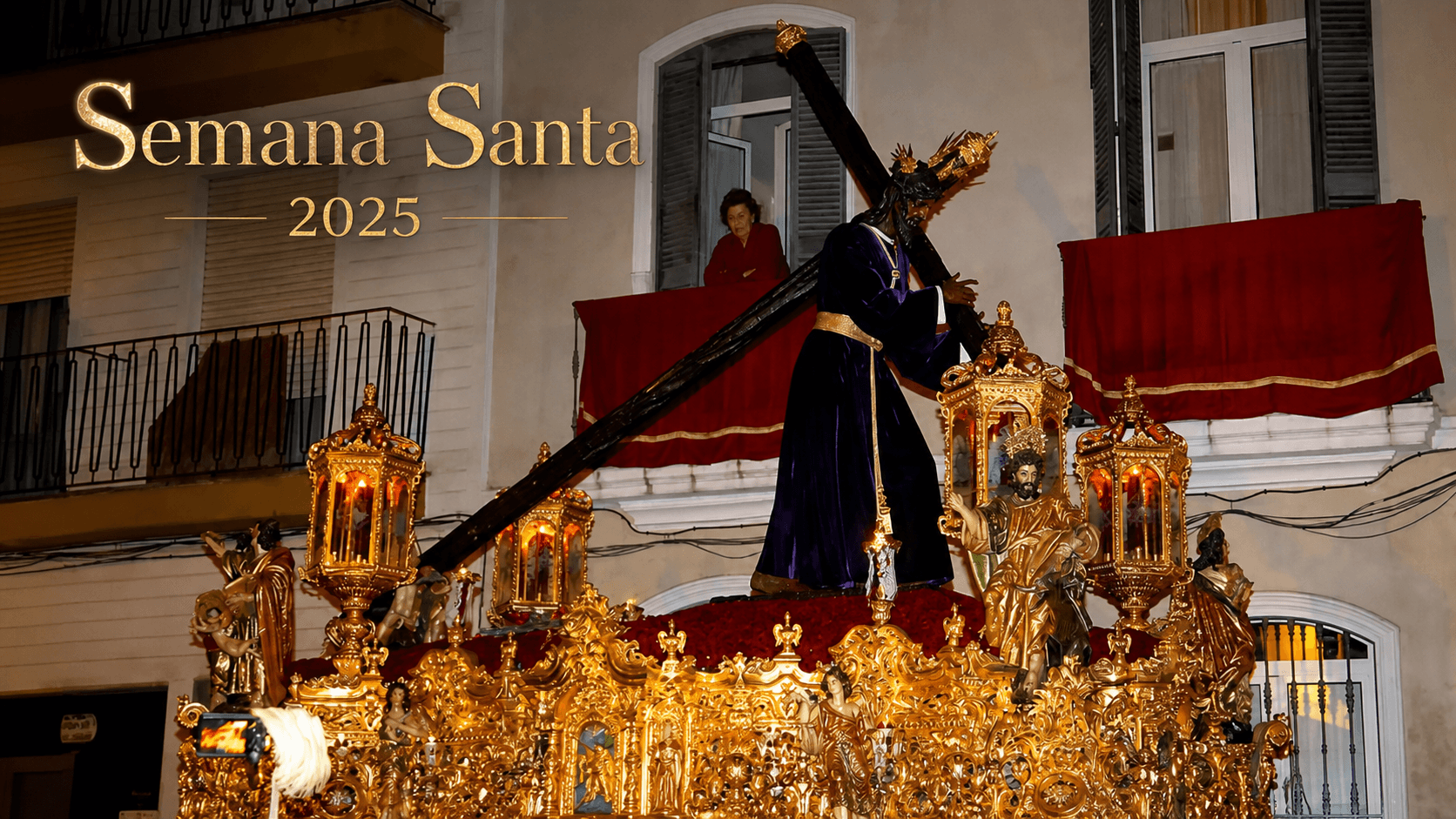
Every spring, something extraordinary happens across Spain, Latin America, the Philippines, and dozens of other countries: cities go quiet, processions fill cobblestone streets with candlelight, and the air smells of incense and orange blossom. That’s Semana Santa — Holy Week — and in 2025, it falls right in the heart of April.
If you’re trying to understand when it is, what it actually commemorates, or what happens during the week itself, you’ve landed in the right place. This guide covers everything, from the official dates to the traditions that have survived centuries of change.
When Is Semana Santa 2025? The Official Dates
Semana Santa 2025 begins on Palm Sunday, April 13, and concludes on Easter Sunday, April 20. In between, each day carries its own name, significance, and set of rituals.
| Palm Sunday | April 13 | Domingo de Ramos — commemorates Jesus's triumphal entry into Jerusalem |
|---|---|---|
| Holy Monday | April 14 | Lunes Santo — processions begin in earnest in many Spanish cities |
| Holy Tuesday | April 15 | Martes Santo — major brotherhoods process through city centers |
| Holy Wednesday | April 16 | Miércoles Santo — anticipation builds for the most important days |
| Maundy Thursday | April 17 | Jueves Santo — Last Supper commemorated; processions carry deep solemnity |
| Good Friday | April 18 | Viernes Santo — the most solemn day; crucifixion is commemorated |
| Holy Saturday | April 19 | Sábado Santo — a day of waiting and the Easter Vigil at night |
| Easter Sunday | April 20 | Domingo de Resurrección — joyful celebration of the Resurrection |
Semana Santa’s date shifts every year because Easter is a moveable feast — it always falls on the first Sunday after the first full moon following the spring equinox. In 2025, that places Easter on April 20, making Holy Week one of the later celebrations in recent memory.
What Does Semana Santa Actually Mean?
The name simply translates to “Holy Week” in Spanish and Portuguese. But the meaning runs much deeper than the words suggest.
At its core, Semana Santa is the Christian commemoration of the final week of Jesus Christ’s earthly life — from his arrival in Jerusalem through his arrest, crucifixion, death, and resurrection. For practicing Catholics and many Protestant Christians, this is the most sacred period of the entire liturgical year.
But Semana Santa is also something else entirely: it’s a deeply cultural event that has evolved over five centuries of local tradition. In many cities, participating in the processions — either as a marcher, a musician, or a spectator — is as much a family and community rite as it is a religious one. People grow up carrying floats. Grandmothers recognize the specific step of their neighborhood’s brotherhood from half a mile away. That layering of faith and culture is what makes Semana Santa so distinctive.
The Religious Significance: Day by Day

Palm Sunday (Domingo de Ramos) — April 13
The week opens with the commemoration of Jesus’s entry into Jerusalem, where crowds waved palm branches in welcome. Today, churches distribute blessed palm fronds or, in some Spanish and Latin American regions, elaborately woven palm crosses that families keep at home year-round as protection.
Maundy Thursday (Jueves Santo) — April 17
This day marks the Last Supper, when Jesus shared a final Passover meal with his apostles and instituted the Eucharist. In many churches, the priest washes the feet of twelve members of the congregation — mirroring Jesus’s act of service. It’s a powerful, quieting ritual. In Spain, this evening sees some of the most emotionally charged processions of the entire week.
Good Friday (Viernes Santo) — April 18
The most solemn day of Semana Santa. The crucifixion is commemorated through Stations of the Cross, silent processions, and, in many communities, dramatic Passion plays. In Spain, music stops. Drums and the mournful sound of saetas — a style of flamenco devotional singing — fill the air instead.
Easter Sunday (Domingo de Resurrección) — April 20
The tone shifts completely. After the solemnity of the preceding days, Easter Sunday is celebratory — marking the resurrection of Christ and, for believers, the foundational mystery of Christian faith. Bells ring. White flowers appear. In Latin America especially, Easter Sunday brings fireworks, feasts, and jubilant outdoor masses.
The Traditions That Define Holy Week
Depending on where you are in the world, Semana Santa looks and feels dramatically different. But several traditions appear across cultures.
- Processions (Procesiones): The defining image of Semana Santa — ornate religious floats (pasos) carried through city streets by brotherhoods (cofradías), often accompanied by brass bands, penitents in robes, and thousands of candles
- Penitential dress: Participants wear distinctive capirotes — pointed hoods and full robes — which have been part of Spanish Holy Week culture since the medieval period. The look is striking and, for those unfamiliar with the tradition, often surprising
- The Macarena: In Seville, the float of the Virgen de la Macarena draws tens of thousands of people. She’s beloved in a way that transcends religion — she’s a symbol of the city itself
- Saetas: Spontaneous devotional songs sung from balconies to passing processions in Andalusia — no instrument, just a voice cutting through the night
- Via Crucis (Stations of the Cross): Observed in churches and outdoor routes worldwide, tracing the 14 stations of Christ’s path to crucifixion
- Fasting and abstinence: Many Catholics abstain from meat on Good Friday; some observe stricter fasting throughout the week
- Traditional foods: Torrijas (Spanish French toast), pestiños, bacalao (salt cod dishes), and buñuelos all appear on tables during Holy Week
Did You Know? The Paso Tradition
The ornate religious floats carried during Semana Santa processions can weigh several tonnes and require between 40 and 250 people — called portadores or costaleros — to lift and carry them on their shoulders, often for hours at a time through narrow streets.
Some pasos have been carved by master craftsmen and have been processed through the same streets for over 400 years. They are considered masterpieces of Baroque religious art.
Semana Santa Around the World
While Spain is perhaps the country most associated with Semana Santa’s dramatic public celebrations, Holy Week is observed with equal — sometimes greater — intensity in many other places.
| 🇪🇸 | Seville, Spain | The gold standard of Semana Santa. Over 60 brotherhoods. More than a million visitors. Processions that run from Sunday to Sunday without pause. If you see it once, you never forget it. |
|---|---|---|
| 🇪🇸 | Málaga, Spain | Known for its throngs of spectators and enthusiastic crowd atmosphere. The procession of the Brotherhood of Mena is one of the most attended in Spain. |
| 🇬🇹 | Antigua, Guatemala | UNESCO-recognized celebrations featuring intricate alfombras — carpets made of colored sawdust, flowers, and pine needles — laid in the streets for processions to walk over. |
| 🇲🇽 | Iztapalapa, Mexico | Home to the largest Passion play in the world, attended by over two million people annually. Actors re-enact the crucifixion with extraordinary realism. |
| 🇵🇭 | Pampanga, Philippines | Some of the most intense observances anywhere — including voluntary crucifixions where devotees are briefly nailed to crosses. Not encouraged by the Church, but deeply rooted in local faith expression. |
| 🇧🇷 | Brazil | Nova Jerusalém in Pernambuco hosts a massive outdoor Passion play in a purpose-built ancient city replica. Brazil also sees significant regional variation in how Holy Week is observed. |
How Semana Santa Is Celebrated in 2025
After some disruptions in 2020 and 2021 due to the pandemic, Semana Santa has returned fully to the streets. In 2025, the celebrations across Spain are expected to proceed in full force, with all major cofradías confirmed to process.
In Seville, the Holy Week schedule (itinerario) is published weeks in advance, listing every brotherhood, their route, and their start time. Tens of thousands of people will line specific streets at specific hours to catch the paso they’ve come for.
Latin American celebrations have similarly resumed their full scale, with Guatemala’s Antigua expected to draw record crowds as international tourism in the region continues to grow.
For travelers visiting in 2025
If you’re planning to attend Semana Santa 2025 in any major city, a few practical notes:
- Book accommodation at least three to four months in advance — Holy Week is peak season in Seville, Málaga, and Antigua
- Central streets will be closed to traffic for most of the week; plan your movement on foot
- Processions can run until 2 or 3 in the morning — especially Thursday and Friday night
- Dress modestly if entering churches; many suspend normal visiting hours during active services
- The atmosphere is emotional and reverent — treat it with the respect of someone in someone else’s sacred space
Semana Santa vs. Easter: What’s the Difference?
People sometimes use these terms interchangeably, but they’re not quite the same thing. Easter technically refers to the single day — Easter Sunday — that commemorates the resurrection. Semana Santa (or Holy Week) is the entire eight-day period beginning with Palm Sunday.
In English-speaking Protestant traditions, Holy Week is observed but typically with less public spectacle. The dramatic street processions, brotherhoods in robes, and carved religious floats are primarily a Catholic — and specifically a Mediterranean and Latin American — phenomenon.
In Eastern Orthodox Christianity, Holy Week follows a different calendar and in 2025 falls in a different week altogether, as the Orthodox Easter date is calculated differently.
Frequently Asked Questions
When exactly is Semana Santa 2025?
Semana Santa 2025 runs from Palm Sunday, April 13, through Easter Sunday, April 20. The most important and most celebrated days are Maundy Thursday (April 17) and Good Friday (April 18).
Is Semana Santa only celebrated in Spain?
No — though Spain (especially Seville and Málaga) is the most internationally recognized destination for Semana Santa celebrations, the holiday is observed with deep traditions across Latin America, the Philippines, southern Italy, and many other countries with strong Catholic heritage. Guatemala’s Antigua and Mexico’s Iztapalapa are among the most spectacular outside of Spain.
What are the most important days of Semana Santa?
Liturgically, Good Friday and Easter Sunday are the central days — marking the crucifixion and resurrection respectively. In terms of public celebrations and processions, Maundy Thursday evening and Good Friday are typically the most emotionally charged and heavily attended days, particularly in Spanish cities.
What is the meaning of the pointed hoods worn in Semana Santa processions?
The tall, pointed hoods (capirotes) worn by members of Spanish brotherhoods during processions date back to medieval penitential practice. They were designed to conceal the identity of the penitent, allowing for anonymous public penance. Today they’re retained as a central part of the visual identity of each brotherhood, with color and style varying by cofradía.
Can non-Catholics attend Semana Santa events?
Absolutely. Processions through city streets are public events, and people of all faiths and backgrounds attend as spectators. Many visitors who aren’t Catholic find Semana Santa to be a deeply moving cultural and artistic experience. The key is to approach it with respect for the significance it holds for those participating in faith.