
Imagine waking up in the middle of the night with an excruciating pain in your upper abdomen—a pain so intense it takes your breath away. You rush to the emergency room, terrified, not knowing what’s happening to your body. For millions of people worldwide, this nightmare becomes reality when they experience their first gallstone attack. If you’re reading this, you or someone you love may be facing cholelithiasis, and you deserve answers that go beyond medical jargon.
Cholelithiasis—the medical term for gallstones—affects approximately 10-15% of adults in developed countries, yet most people know surprisingly little about this common condition until it strikes. This comprehensive guide will walk you through everything you need to know about gallbladder stones, from understanding what they are to discovering cutting-edge treatment options that could change your life.
What Is Cholelithiasis? Understanding the Basics
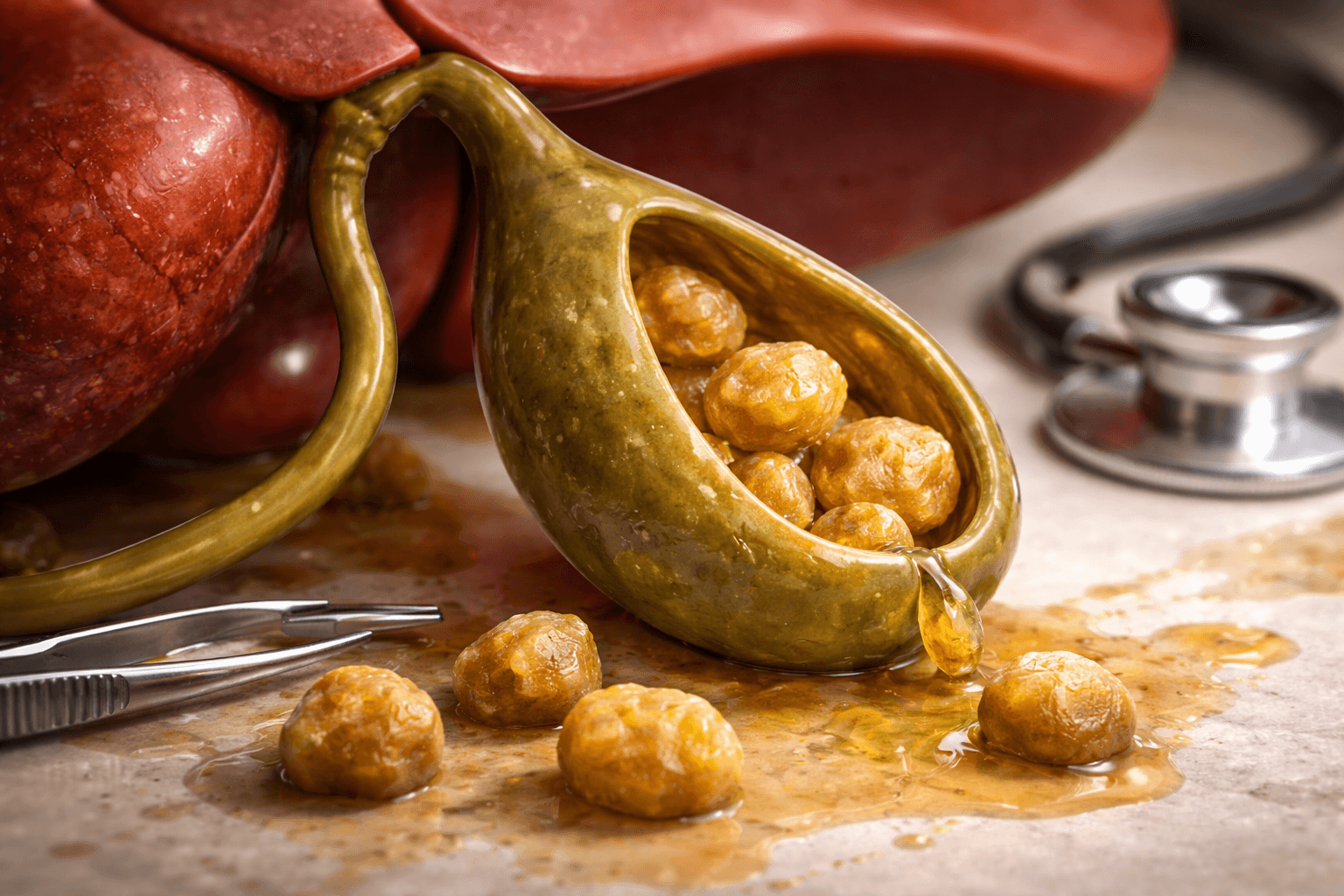
Cholelithiasis refers to the formation of solid particles, called gallstones or biliary calculi, within the gallbladder. Your gallbladder is a small, pear-shaped organ located beneath your liver that stores bile—a digestive fluid your liver produces to help break down fats.
When the chemical composition of bile becomes imbalanced, crystallization occurs, leading to gallstone formation. These stones can range from tiny grains of sand to golf ball-sized masses, and you might have one stone or hundreds.
Types of Gallstones
Understanding the different types of biliary stones is crucial for proper treatment:
Cholesterol stones make up approximately 80% of all cases. These yellow-green stones form when bile contains too much cholesterol, insufficient bile salts, or when the gallbladder doesn’t empty properly. Despite their name, these stones aren’t directly related to dietary cholesterol levels.
Pigment stones are smaller, darker stones composed primarily of bilirubin, a substance produced when your body breaks down red blood cells. These bilirubin stones are more common in people with certain blood disorders, liver cirrhosis, or biliary tract infections. Mixed stones contain combinations of cholesterol, calcium salts, and bilirubin, representing a complex interplay of multiple risk factors.
The Silent Epidemic: Cholelithiasis Symptoms and Warning Signs

Here’s what makes cholelithiasis particularly challenging: many people with gallstones experience no symptoms whatsoever. These “silent stones” can exist for years without causing problems. However, when symptoms do appear, they demand immediate attention.
Recognizing Gallstone Attacks
Biliary colic—the medical term for a gallstone attack—typically manifests as:
Sudden, intense pain in the upper right abdomen or center of the abdomen, just below the breastbone. This gallbladder pain can radiate to your right shoulder blade or back, creating a characteristic pattern that medical professionals recognize immediately.
The pain often strikes after eating fatty or heavy meals, when your gallbladder contracts to release bile. Episodes can last from 30 minutes to several hours, leaving you exhausted and frightened.
Additional symptoms include nausea and vomiting, indigestion and bloating, particularly after meals, clay-colored stools or dark urine, indicating bile duct obstruction, and yellowing of skin and eyes (jaundice), suggesting a serious complication.
When Cholelithiasis Becomes an Emergency
Acute cholecystitis—inflammation of the gallbladder—occurs when a stone blocks the cystic duct, trapping bile and causing infection. This medical emergency requires immediate intervention.
Choledocholithiasis develops when stones migrate from the gallbladder into the common bile duct, potentially causing pancreatitis (pancreatic inflammation) or cholangitis (bile duct infection). These complications can be life-threatening and require urgent medical care.
Understanding Your Risk: Who Develops Cholelithiasis?
Medical professionals often refer to the “Four Fs” as classic risk factors: Female, Forty, Fertile (pregnancy history), and Fat (obesity). However, this oversimplified mnemonic tells only part of the story.
Gender and Hormonal Factors
Women face two to three times higher risk than men, particularly during reproductive years. Estrogen increases cholesterol levels in bile while decreasing gallbladder contractions—a dangerous combination for gallstone formation. Pregnancy, hormone replacement therapy, and birth control pills all elevate risk significantly.
Age and Family History
Gallstone disease becomes increasingly common after age 40, with risk doubling every decade. If your parents or siblings have experienced cholelithiasis, your genetic predisposition increases substantially, suggesting inherited metabolic factors influence bile composition.
Weight and Metabolic Factors
Obesity dramatically increases risk, particularly when excess weight concentrates around the abdomen. However, rapid weight loss—whether through crash dieting, bariatric surgery, or illness—can paradoxically trigger gallstone formation as the liver secretes extra cholesterol into bile.
Type 2 diabetes and metabolic syndrome create a perfect storm for biliary calculi formation, linking insulin resistance with altered bile metabolism.
Dietary and Lifestyle Factors
High-calorie, high-fat diets rich in refined carbohydrates promote gallstone development. Conversely, diets low in fiber and healthy fats may reduce bile flow and increase stagnation. Physical inactivity compounds these risks by affecting metabolism and weight management.
Medical Conditions and Medications
Certain conditions predispose you to pigment stone formation: hemolytic anemias (sickle cell disease, thalassemia), liver cirrhosis and chronic liver disease, Crohn’s disease and other inflammatory bowel conditions, and prolonged total parenteral nutrition (intravenous feeding).
Medications including cholesterol-lowering drugs like clofibrate, estrogen-containing medications, and octreotide (used for certain tumors) can increase risk.
Diagnosis: How Doctors Detect Cholelithiasis
When you present with symptoms suggesting gallbladder disease, your healthcare provider employs multiple diagnostic approaches.
Physical Examination
Your doctor will check for Murphy’s sign—increased pain when pressing below your right rib cage while you take a deep breath. This clinical finding strongly suggests acute cholecystitis.
Imaging Studies
Abdominal ultrasound serves as the gold standard for detecting gallstones, offering 95% accuracy for gallbladder stones. This non-invasive, radiation-free test visualizes stones, gallbladder wall thickening, and bile duct dilation.
CT scans may be ordered when complications are suspected or if ultrasound results are inconclusive, particularly for detecting stones in the bile ducts.
MRCP (Magnetic Resonance Cholangiopancreatography) provides detailed images of the biliary system without radiation or contrast dye, excellent for evaluating choledocholithiasis.
ERCP (Endoscopic Retrograde Cholangiopancreatography) serves both diagnostic and therapeutic purposes, allowing visualization and removal of stones from the common bile duct.
Laboratory Tests
Blood tests reveal elevated liver enzymes, increased bilirubin levels, elevated white blood cell count indicating infection, and elevated lipase or amylase suggesting pancreatitis.
Treatment Options: From Conservative Management to Surgery
Treatment for cholelithiasis depends on whether stones cause symptoms, the severity of symptoms, presence of complications, and your overall health status.
Watchful Waiting for Silent Stones
If your gallstones cause no symptoms—discovered incidentally during imaging for other conditions—your doctor may recommend observation rather than immediate intervention. Research shows that only 10-25% of people with silent stones develop symptoms requiring treatment over 10-20 years.
Medical Management
Ursodeoxycholic acid (ursodiol)can dissolve small, cholesterol-based stones over months to years of treatment. However, this approach works for only 30-40% of carefully selected patients and stones often recur after stopping medication.
Pain management during acute episodes includes anti-inflammatory medications, antispasmodics to reduce gallbladder contractions, and antiemetics for nausea and vomiting.
Surgical Treatment: Cholecystectomy
Gallbladder removal surgery (cholecystectomy) represents the definitive treatment for symptomatic cholelithiasis, with over 750,000 procedures performed annually in the United States alone.
Laparoscopic cholecystectomy —the minimally invasive approach—is now standard, involving four small incisions, camera-guided visualization, and removal through a tiny opening. Benefits include shorter hospital stays (often same-day discharge), faster recovery (returning to normal activities within 1-2 weeks), less postoperative pain, and smaller scars.
Open cholecystectomy may be necessary when severe inflammation, extensive scarring, or anatomical variations make laparoscopic surgery unsafe. Recovery takes 4-6 weeks but outcomes remain excellent.
Advanced Procedures
ERCP with sphincterotomy removes stones lodged in the bile duct before or after cholecystectomy, preventing dangerous complications. Percutaneous cholecystostomy provides temporary drainage for patients too ill to undergo immediate surgery, allowing stabilization before definitive treatment.
Living Without Your Gallbladder: What to Expect
Many patients worry about life after gallbladder surgery, but the reality is reassuring. Your liver continues producing bile—it simply drips continuously into your intestine rather than being stored and released in bursts.
Dietary Adjustments
Most people tolerate normal diets after recovery, though some experience temporary digestive changes. Gradually reintroducing foods helps identify any sensitivities. Focus on lean proteins, high-fiber foods, healthy fats in moderation, and smaller, more frequent meals rather than large portions.
Some individuals develop post-cholecystectomy diarrhea, typically resolving within weeks to months. Fiber supplements and dietary modifications usually manage this effectively.
Long-Term Outcomes
Studies consistently show excellent long-term results following cholecystectomy, with over 90% of patients experiencing complete symptom resolution. Quality of life improves dramatically, and serious complications are rare.
Prevention Strategies: Reducing Your Risk of Cholelithiasis
While you cannot control genetics, age, or gender, lifestyle modifications significantly impact gallstone formation risk.
Maintain Healthy Weight
Achieve and maintain a body mass index within normal range through sustainable lifestyle changes. If you need to lose weight, aim for gradual loss of 1-2 pounds weekly rather than rapid weight loss programs that increase gallstone risk.
Optimize Your Diet
Emphasize plant-based foods rich in fiber, including whole grains, legumes, fruits, and vegetables. These foods promote healthy bile flow and reduce cholesterol saturation in bile.
Include healthy fats from nuts, seeds, avocados, olive oil, and fatty fish. Contrary to popular belief, completely fat-free diets may increase risk by reducing gallbladder contractions.
Limit refined sugars and carbohydrates, which promote metabolic dysfunction and gallstone formation. Stay well-hydrated, as adequate fluid intake supports healthy bile production and flow.
Stay Physically Active
Regular exercise—at least 150 minutes of moderate-intensity activity weekly—reduces gallstone risk by 20-30%. Physical activity improves insulin sensitivity, supports healthy weight, and may directly influence bile composition.
Consider Your Medications
If taking estrogen-containing medications, discuss risks and alternatives with your healthcare provider. For women needing hormone replacement therapy, transdermal preparations may carry lower risk than oral formulations.
Manage Underlying Conditions
Control diabetes through proper medication, diet, and lifestyle. Address metabolic syndrome components including high blood pressure, elevated cholesterol, and insulin resistance. Treat inflammatory bowel disease appropriately to reduce pigment stone formation.
Emerging Research and Future Treatments
Medical science continues advancing our understanding and treatment of cholelithiasis.
Genetic Studies
Researchers have identified multiple genes influencing gallstone susceptibility, opening doors for personalized risk assessment and targeted prevention strategies.
Novel Medications
Investigations into new drugs that modify bile composition or enhance gallbladder emptying may provide alternatives to surgery for select patients.
Advanced Imaging
Artificial intelligence applications in ultrasound interpretation promise earlier, more accurate gallstone detection, potentially preventing complications through timely intervention.
When to Seek Medical Attention
Contact your healthcare provider immediately if you experience severe, persistent abdominal pain lasting more than a few hours, jaundice (yellowing of skin or eyes), fever with chills, especially if accompanied by abdominal pain, or persistent vomiting preventing fluid intake. These symptoms may indicate serious complications requiring urgent evaluation and treatment.
Conclusion
Cholelithiasis affects millions worldwide, but understanding this condition empowers you to make informed decisions about prevention, diagnosis, and treatment. Whether you’re experiencing symptoms for the first time, considering treatment options, or supporting a loved one through gallbladder disease, knowledge transforms fear into confidence.
The journey from that first terrifying pain to restored health is well-traveled, with excellent outcomes for the vast majority of patients. Modern medicine offers safe, effective solutions for symptomatic gallstones, and lifestyle modifications can significantly reduce your risk of ever developing this condition.
Remember, you are not defined by your diagnosis. With proper medical care, informed decision-making, and proactive health management, you can overcome cholelithiasis and return to living your life fully.
If you suspect you have gallstones or have been diagnosed with this condition, don’t wait—reach out to a qualified healthcare provider who can guide you toward the best treatment path for your unique situation.
Your health journey matters, and taking that first step toward understanding and addressing cholelithiasis is an act of self-care that your future self will thank you for.