
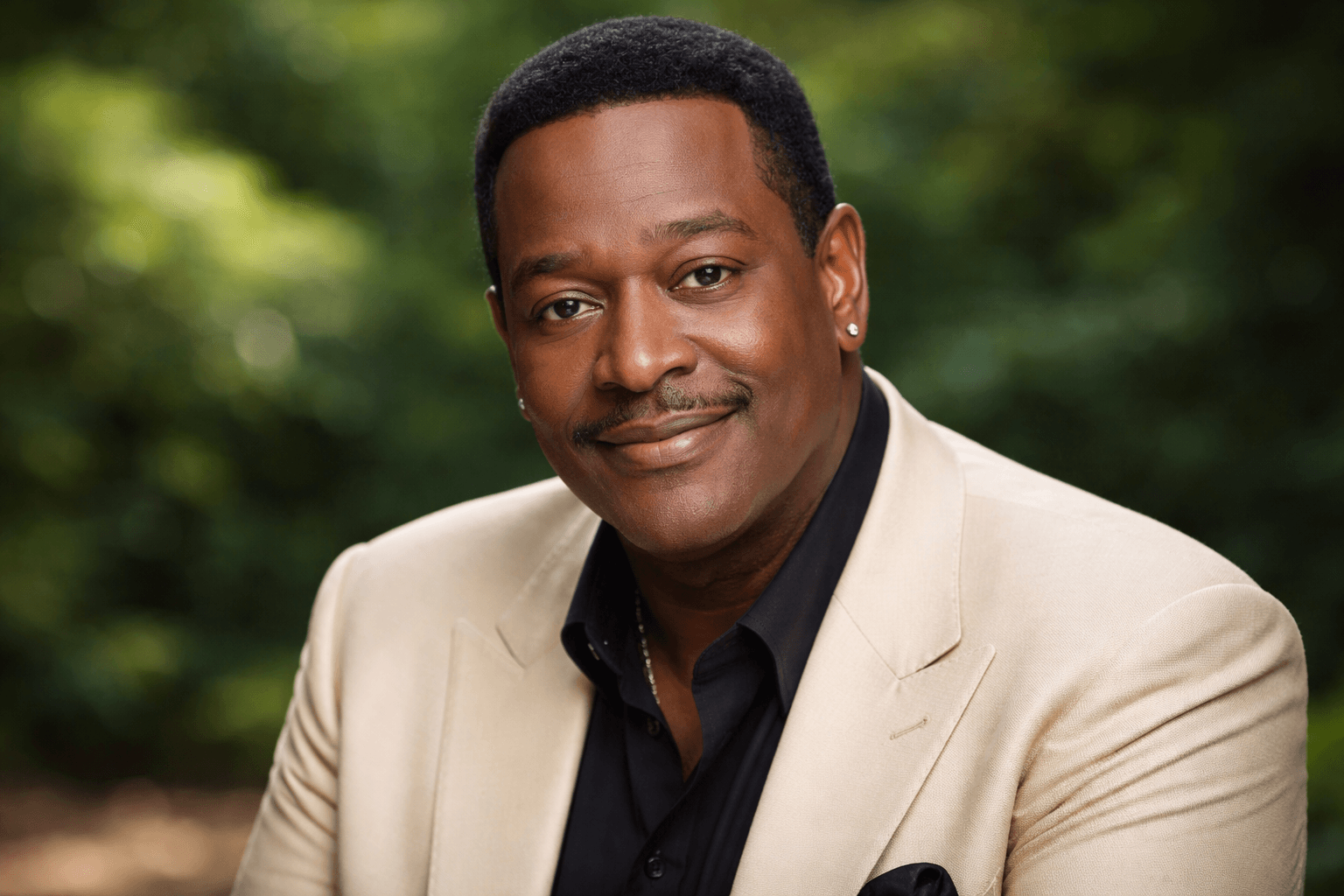
Look, we all know that smooth, buttery voice of Luther Vandross. You’ve probably slow danced to “Here and Now” at a wedding, or got teary-eyed listening to “Dance with My Father.” But here’s what most people don’t know—behind that incredible talent was an older brother who quietly held things together when life got tough.
Charles Anthony Vandross wasn’t chasing fame. He wasn’t trying to be in the spotlight. But without him? Luther’s story might’ve been completely different.
This isn’t just another “celebrity family member” story. This is about the kind of love that doesn’t need recognition. It’s about being someone’s rock when the world feels shaky. And honestly? After learning about Charles, I’ll never listen to Luther’s music the same way again.
So grab a cup of coffee (or tea, I don’t judge), and let me tell you about a man who deserves way more credit than he ever got.
Who Was Charles Anthony Vandross? Let’s Start From The Beginning
The Vandross Family Wasn’t Rich, But They Were Rich in Love
Charles Anthony Vandross came into this world on February 7, 1947, right in Manhattan, New York. He was the oldest son in a family that would eventually give us one of the greatest voices in R&B history.
The Vandross household had four kids total:
- Patricia (the oldest sister, born in 1943)
- Ann (born in 1944)
- Charles(born in 1947)
- And finally, Luther (the baby, born in 1951)
Their parents, Luther Vandross Sr. and Mary Ida, created a home where music wasn’t just background noise—it was everything. Gospel music playing on Sunday mornings, mama humming while cooking dinner, kids singing together in the living room. That kind of vibe.
Money was tight, sure. But what they lacked in dollars, they made up for in love and music.
Then Everything Changed in 1959
When Charles was just 12 years old, his dad died from diabetes complications. Just like that, the family’s foundation got shaken.
Now picture this: You’re 12. You’re still a kid yourself. But suddenly, you’re the oldest male in the house, and your mom’s working double shifts as a nurse just to keep food on the table. Your little brother Luther is only 8 years old and doesn’t really understand why daddy isn’t coming home.
Charles Vandross had to grow up fast. Real fast. He became more than just a big brother—he became a father figure, a protector, and the person everyone leaned on when things got hard. And from what we know about Charles? He never complained. He just stepped up.
The Bond Between Charles and Luther Was Something Special

They Started Making Music Together Early On
Here’s something cool: Charles Anthony Vandross and Luther Vandross weren’t just brothers who happened to live in the same house. They actually performed together as kids.
They did this theater workshop thing called “Listen My Brother” back in the day. And get this—they even appeared on Sesame Street together! Can you imagine? Little Luther and his big brother Charles, probably nervous as heck, performing on TV.
These weren’t just cute childhood memories though. These experiences gave Luther the confidence to perform. Having Charles Vandross there, being that steady presence, made all the difference.
Think about it: When you’re trying something scary for the first time, doesn’t it help to have someone you trust right there with you? That was Charles for Luther. Every. Single. Time.
Charles Made a Choice—And It Was a Big One
As Luther started getting serious about music in the 70s and 80s, Charles Anthony Vandross made a decision that honestly blows my mind.
He stepped back. Not because he didn’t have talent. Not because he didn’t love music. But because he understood something important: Luther needed someone stable in his corner. Someone who wasn’t competing for the same spotlight. Someone who could be brutally honest when a song wasn’t quite right, or give a pep talk when rejection hit hard.
Charles Vandross’s role became:
- Being the person Luther could call at 2 AM when self-doubt crept in
- Giving real feedback (not the fake “everything you do is perfect” kind)
- Keeping family stuff handled while Luther was on the road
- Being a constant when everything else in the music industry felt crazy
- Protecting Luther’s peace of mind
While Luther chased his dreams, Charles held down the fort. And honestly? That takes a special kind of person.
Charles Anthony Vandross: The Man Who Chose Privacy Over Everything
He Didn’t Want The Fame Game
In a world where people will do anything for 15 minutes of fame, Charles Anthony Vandross went the complete opposite direction.
No interviews. No social media (I mean, this was before Instagram, but still). No trying to ride Luther’s coattails to celebrity status. Nothing.
His net worth? Nobody knows. His personal business? Stayed personal. Charles Vandross could’ve easily cashed in on being Luther’s brother, but that wasn’t his style.
He valued something that seems almost old-fashioned now: privacy. The man just wanted to live his life without cameras and gossip and all that noise.
A Regular Guy With Extraordinary Character
From what family and friends have said, Charles Anthony Vandross was just a solid dude. He worked regular jobs (though the details stayed private, as he wanted). He paid his bills. He showed up for his family.
Was he married? Did he have kids? Honestly, we don’t know much about Charles Anthony Vandross’s personal life, and you know what? I respect that. The man drew a line and stuck to it.
In an age where everyone shares everything online, there’s something kinda beautiful about someone who said “nah, my life is my life.”
When Charles Anthony Vandross Passed Away, Luther Lost More Than a Brother
April 30, 1991—A Day That Changed Everything
Charles Anthony Vandross died on April 30, 1991. He was only 44 years old. Way too young.
The Charles Anthony Vandross death hit Luther like a freight train. This was his big brother, his early collaborator, his rock. Gone.
And here’s the heartbreaking part: This was just the beginning of a rough decade for Luther. He’d lose his sister Patricia in 1993, then his other sister Ann in 1999. By the end of the 90s, Luther was the only one left out of the four siblings.
Can you even imagine?
You Can Hear The Pain in Luther’s Music
After losing Charles Vandross, something shifted in Luther’s music. It got deeper. More vulnerable. More… real.
Songs like “Dance with My Father” weren’t just about their dad anymore. They carried the weight of every loss Luther had experienced—including Charles.
Listen to Luther’s ballads from the 90s and early 2000s. That ache you hear? That’s real grief. That’s a man who knows what it’s like to lose the people who mattered most.
Every time Luther sang about love and loss, part of what we were hearing was him processing the absence of his big brother.
The Legacy of Charles Anthony Vandross: Why He Still Matters
Success Isn’t Just About Who’s On Stage
Here’s what Charles Anthony Vandross taught us without ever trying to teach us anything:
Not everyone needs to be famous to matter. Some people’s greatest gift is making others feel safe enough to shine. That was Charles.
Real support means celebrating someone else’s wins. Charles watched Luther win Grammys, sell millions of records, become a legend—and by all accounts, he was genuinely happy for him. No jealousy. No “that should’ve been me.” Just pure support.
Character beats clout every single time. Charles chose principles over publicity, family over fame, stability over spotlight. That’s the definition of character.
Love doesn’t need an audience. The most profound impact Charles had on Luther’s life happened in private conversations, quiet moments, and everyday support that nobody else saw.
Every Star Has Someone Like Charles Behind Them
Think about the successful people you know—really successful people. I guarantee you there’s someone behind the scenes who believed in them first. Someone who:
- Paid for those music lessons when money was tight
- Listened to them practice the same song 500 times without complaining
- Talked them off the ledge when they wanted to quit
- Kept everything stable at home while they chased dreams
- Never asked for credit or recognition
That’s the legacy of Charles Anthony Vandross. That’s the role he played. And that role? It’s just as important as the person on stage.
Charles Anthony Vandross: The Timeline of His Life
Let me break down Charles Anthony Vandross’s life year by year, so you can see the full picture:
1947 – Born in Manhattan, probably in a small apartment filled with music and love
1951 – Little brother Luther shows up, and Charles becomes a big brother (a role he’d take seriously forever)
1959 – At just 12 years old, loses his father and steps into a father-figure role himself
Late 1960s – Performing with Luther in workshops and on TV, planting seeds for Luther’s future
1970s – Luther’s grinding in the music industry, and Charles is there supporting behind the scenes
1980s – Watches his baby brother become a superstar (and probably cries proud tears)
1991 – Passes away at 44, way too soon, leaving a hole in Luther’s heart that never fully healed
If Charles Anthony Vandross were alive today in 2025, he’d be 78 years old. He would’ve seen the documentaries about Luther, the continued love for the music, and how their family story still inspires people decades later.
Questions People Always Ask About Charles Anthony Vandross
How was Charles related to Luther Vandross?
Charles Anthony Vandross was Luther’s older brother—born about four years before Luther. But he was more than just an older sibling. He was a mentor, a father figure after their dad died, and one of Luther’s earliest musical partners.
Did Charles have his own music career?
Nah, not really. While Charles Vandross performed with Luther when they were younger (theater stuff, TV appearances, that kind of thing), he never pursued music as a career. He deliberately chose to support Luther from behind the scenes instead of seeking his own spotlight.
What happened to Charles Anthony Vandross?
Charles Anthony Vandross passed away on April 30, 1991, at age 44 in New York City. The family never publicly shared the specific cause of death, which fits with Charles’s lifelong commitment to keeping his private life private.
How much money did Charles Anthony Vandross have?
Nobody knows Charles Anthony Vandross’s net worth, and honestly, that’s exactly how he wanted it. The man kept his financial business to himself and never tried to capitalize on Luther’s fame.
Where is Charles buried?
According to records, Charles Anthony Vandross has a memorial, but the specific location remains private out of respect for the family’s wishes. Some things are meant to stay within the family.
Why We Need to Remember Charles Anthony Vandross in 2025
In a World of Influencers, Charles Reminds Us What Really Matters
Look around at social media today. Everyone’s trying to build a personal brand, get followers, go viral, become “internet famous.” And then you’ve got the story of Charles Anthony Vandross—a guy who deliberately stayed out of the spotlight.
That’s powerful, right?
Charles Vandross shows us that:
- You don’t need followers to have influence
- Supporting someone else’s dream is just as valuable as chasing your own
- Privacy isn’t boring—it’s actually a form of self-respect
- Family bonds matter more than fame and fortune combined
Shout Out to All the Unsung Heroes
Every successful person has their own version of Charles Anthony Vandross. Maybe it’s:
- The mom working two jobs so her kid can go to music school
- The spouse who handles everything at home while their partner builds a business
- The friend who’s always there with honest advice and unconditional support
- The sibling who sacrifices their own spotlight so another can shine
These people rarely get thanked. They don’t get awards or shout-outs or trending hashtags. But without them? Most success stories wouldn’t exist.
The Full Vandross Family Story: Love, Loss, and Music
They Started With So Little But Built Something Beautiful
The Vandross family wasn’t special because they were rich or connected. They were special because they loved each other fiercely and believed in the power of music.
Mary Ida, the mom, raised four kids mostly on her own after her husband died. That’s not easy. But she instilled in them values that lasted: work hard, stay humble, support each other, and never forget where you came from.
Each kid contributed something:
- Patricia sang with a doo-wop group called The Crests
- Ann kept the family grounded with quiet love
- Charlesprovided stability and big brother protection
- Luther became the voice that carried all their dreams to the world
The Tragedy That Never Gets Easier to Talk About
Here’s the part that breaks my heart every time: Mary Ida outlived all four of her children. Every single one.
She got to see Luther become a legend—eight Grammy Awards, millions of records sold, a voice that defined a generation. But she also had to bury all four of her babies. I can’t even imagine that pain.
And that makes Charles Anthony Vandross’s story even more important. He spent his life holding the family together, only to leave them too soon himself.
Final Thoughts: Why Charles Anthony Vandross Deserves His Flowers
Charles Anthony Vandross never won a Grammy. His name isn’t on any platinum records. You won’t find him in music history books.
But here’s the truth: Without Charles, Luther might not have become Luther.
When you listen to “Never Too Much” or “Here and Now” or any of Luther’s classics, you’re not just hearing one man’s talent. You’re hearing the result of a big brother’s love, a family’s resilience, and the foundation that Charles Anthony Vandross helped build through years of quiet, selfless support.
What Can We Learn From Charles?
In our “look at me” culture, Charles Anthony Vandross challenges us to ask ourselves:
- Who are the unsung heroes in MY life who deserve recognition?
- Am I willing to support someone else’s dream even if it means staying behind the scenes?
- What kind of legacy am I building—one based on fame or on real impact?
The name Charles Anthony Vandross might not be famous, but his impact echoes through every note Luther sang, every heart touched by that music, and every person inspired by the Vandross family’s story.
Let’s Start Celebrating the Real Ones
So here’s what I want you to do: Think about the Charles Vandross in your life. That person who’s always there, never asking for credit, just genuinely wanting you to succeed.
Text them. Call them. Thank them. Because that kind of love is rare, and it deserves to be acknowledged.
Charles didn’t need the world to know his name. But we know it now. And we’re better for knowing his story.