



Have you ever found yourself so deeply absorbed in something that hours vanished like minutes? Perhaps you’ve spent an entire weekend mastering a new video game, lost yourself in researching a fascinating topic until 3 AM, or become so engrossed in a hobby that you forgot to eat. If this sounds familiar, you’ve experienced what Finnish speakers call hyperfiksaatio – a powerful mental state that can be both a remarkable gift and a challenging burden.
Whether you’ve stumbled upon this article while searching for answers about your own intense focus patterns, seeking to understand a loved one better, or simply curious about this fascinating phenomenon, you’re in the right place. This comprehensive guide will walk you through everything you need to know about hyperfixation, from its neurological roots to practical strategies for harnessing its power while maintaining balance in your daily life.
What Is Hyperfiksaatio? Understanding the Phenomenon
Hyperfiksaatio (hyperfixation in English) refers to an intense, all-consuming focus on a specific activity, topic, interest, or person that goes far beyond casual engagement. Unlike simply enjoying a hobby or being passionate about a subject, hyperfixation involves becoming so deeply absorbed that other aspects of life fade into the background.
Key Characteristics of Hyperfiksaatio
When someone experiences hyperfiksaatio, several distinct patterns emerge:
Complete Time Distortion: The mind becomes locked onto one subject, causing people to lose awareness of time and competing responsibilities. What feels like thirty minutes might actually be four hours.
Intense Emotional Connection: There’s a profound emotional or intellectual attachment to the focus of interest. The activity or subject doesn’t just capture attention – it creates an almost magnetic pull that’s difficult to resist.
Difficulty Disengaging: Even when external demands arise or responsibilities call, shifting attention away from the hyperfixation feels nearly impossible. The brain resists transitioning to other tasks, no matter how important they may be.
Neglect of Basic Needs: During episodes, individuals may forget to eat, ignore basic needs, and completely overlook day-to-day activities. Sleep schedules dissolve, meals are skipped, and social commitments might be forgotten entirely.
The Science Behind Hyperfiksaatio: Why Does It Happen?
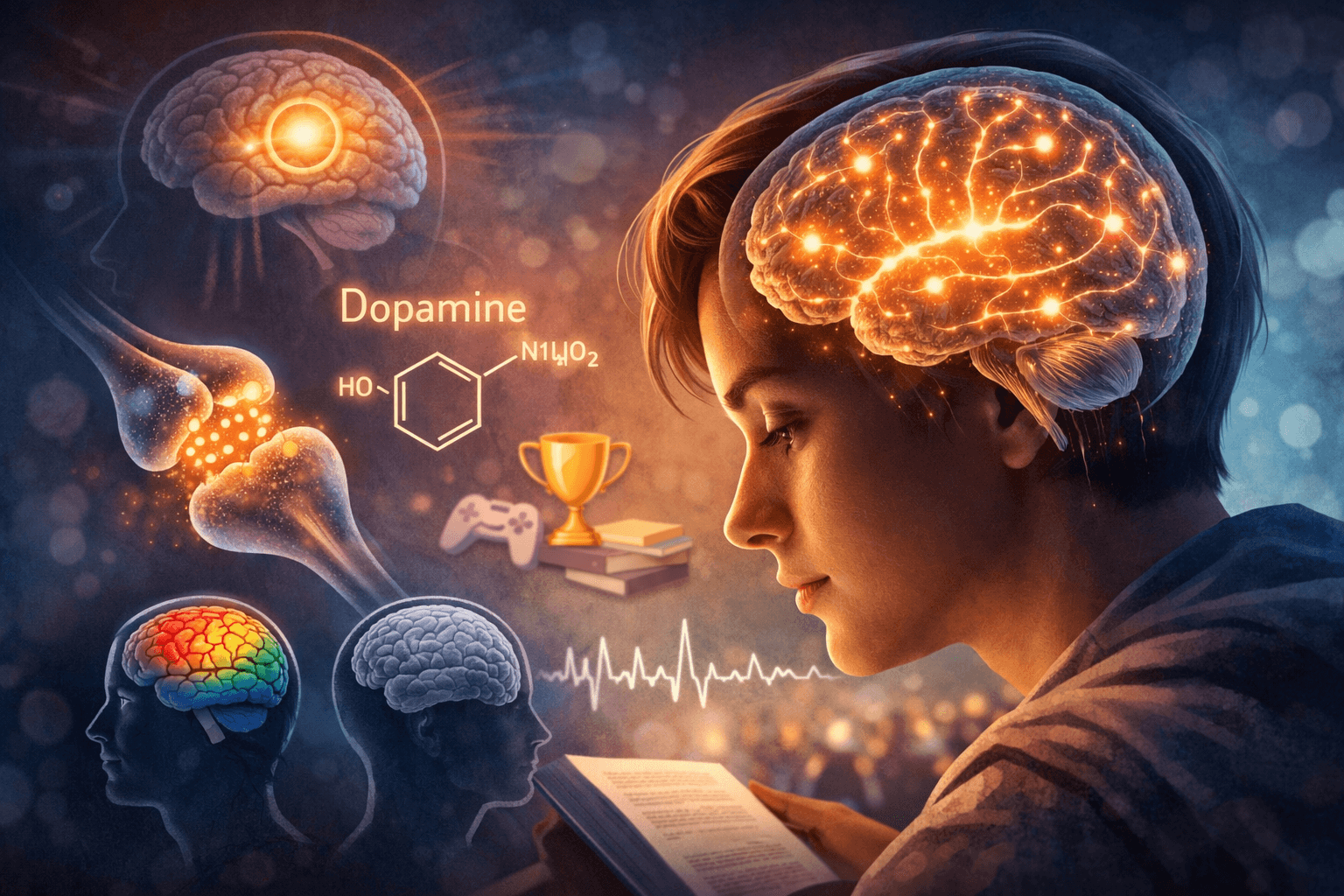
Understanding the neurological underpinnings of hyperfiksaatio helps demystify why some people experience it more intensely than others.
Dopamine and the Brain’s Reward System
Research suggests that hyperfiksaatio may be linked to dopamine regulation in the brain. Dopamine is a neurotransmitter that plays a crucial role in motivation, pleasure, and reward-seeking behavior. When you engage in an activity that excites or stimulates you, your brain releases dopamine, encouraging you to continue.
For individuals with certain neurological profiles, particularly those with ADHD, the brain processes dopamine differently – when doing something stimulating, the brain becomes intensely drawn to the activity, making switching to less exciting yet necessary tasks harder.
The Neurodivergent Connection
Hyperfiksaatio is especially prevalent in neuro divergent populations:
ADHD and Hyper fixation: Individuals with ADHD are more likely to experience intense focus more frequently than those without ADHD. The condition affects attention regulation, causing the brain’s reward system to prioritize highly engaging activities.
Autism Spectrum Disorder: For individuals with autism, intense interests can help find enjoyment and cope with daily life, with repeating these activities providing comfort and security. The diagnostic criteria for autism explicitly includes restricted, fixated interests that are abnormal in intensity.
Other Mental Health Conditions: Hyper fixation can also appear in individuals with OCD, anxiety disorders, depression, and schizophrenia, often serving as a coping mechanism during stressful periods.
Can Neurotypical People Experience Hyperfiksaatio?
Absolutely. Not everyone with hyper fixation has a neuro divergent diagnosis – neurotypical individuals may also experience certain signs of it. Anyone can become hyper fixated during periods of high stress, anxiety, trauma, or when seeking control and predictability in their lives.
Hyperfiksaatio vs. Hyper focus: Understanding the Difference
While these terms are often used interchangeably, they represent distinct phenomena:
Hyper focus Characteristics
Hyper focus is typically:
- Task-oriented and goal-driven
- Shorter in duration (minutes to hours)
- Comes to a natural end once the task is completed
- More controllable and intentional
- Commonly experienced during productive work sessions
Hyperfiksaatio Characteristics
Hyperfiksaatio is typically:
- Interest-based and passion-driven
- Longer in duration (days, weeks, or even months)
- Difficult to conclude voluntarily
- More consuming and involuntary
- Often centered on hobbies, media, topics, or people
Hyper focus usually comes to a natural end, while hyperfiksaatio can take over someone’s entire day.
Common Examples of Hyperfiksaatio
Hyperfixation can manifest in countless ways, varying greatly between individuals:
Entertainment and Media
- Binge-watching an entire TV series in one sitting, then consuming all related content (fan theories, cast interviews, behind-the-scenes material)
- Playing video games for extended periods, losing track of time completely
- Reading every book in a series consecutively, unable to put them down
Hobbies and Skills
- Learning a new instrument with obsessive dedication, practicing for hours daily
- Diving deep into a craft like knitting, woodworking, or digital art
- Researching a historical period or scientific topic exhaustively
Intellectual Pursuits
- Following sports teams or athletes with encyclopedic knowledge and constant engagement
- Studying a specific subject area far beyond what’s required
- Learning a new language with intensive, all-consuming focus
Social and Relational
- Becoming intensely fixated on a new friendship or romantic relationship
- Following a specific content creator or celebrity obsessively
- Engaging repeatedly in specific role-playing or creative writing projects
The Dual Nature of Hyperfiksaatio: Benefits and Challenges
Hyperfiksaatio is neither inherently good nor bad – it exists on a spectrum with both remarkable advantages and significant challenges.
The Positive Side of Hyperfixation
Rapid Skill Acquisition: Deep focus enables individuals to master skills quickly, as extended concentration can lead to significant progress.
Expertise Development: The intense dedication can transform someone into a genuine expert in their area of interest, building impressive knowledge and capabilities.
Enhanced Productivity: When channeled appropriately, hyperfixation can lead to extraordinary output and achievement in work, academics, or creative pursuits.
Emotional Regulation: For many individuals, especially those with autism, hyperfiksaatio provides comfort, security, and a sense of control during uncertain or stressful times.
Creative Innovation: Immersion can foster innovative ideas and artistic creations that might not emerge through casual engagement.
Personal Fulfillment: The passion and engagement experienced during hyperfixation can bring genuine joy, purpose, and meaning to life.
The Challenging Side of Hyperfixation
Neglect of Essential Needs: Skipping meals, losing sleep, or ignoring personal hygiene becomes common when deeply fixated.
Relationship Strain: Neglecting social interactions or responsibilities can damage personal and professional relationships.
Academic and Professional Impact: Falling behind on important tasks, missing deadlines, or ignoring essential work can have serious consequences.
Difficulty Transitioning: Struggling to switch focus between tasks creates problems with time management and daily functioning.
Mental and Physical Burnout: Prolonged focus can lead to mental or emotional exhaustion, leaving individuals depleted when the fixation finally subsides.
Financial Consequences: Impulsively purchasing items related to the fixation can strain budgets and create regret when interest wanes.
Recognizing the Signs: Am I Experiencing Hyperfiksaatio?
Understanding whether you’re experiencing hyperfixation requires honest self-reflection. Consider these questions:
Behavioral Indicators
- Do hours pass without your awareness when engaged in certain activities?
- Do you frequently forget to eat, sleep, or attend to basic needs when focused?
- Do others comment on your intense absorption or try to “snap you out of it”?
- Do you neglect important responsibilities in favor of your interest?
Emotional Indicators
- Do you feel anxious or distressed when unable to engage with your fixation?
- Does thinking about your interest dominate your mental space throughout the day?
- Do you feel defensive or resistant when others question the time you spend?
- Does the activity provide an escape from difficult emotions or situations?
Social Indicators
- Do you struggle to discuss topics unrelated to your current fixation?
- Have relationships been strained due to your intense focus?
- Do you withdraw from social situations to pursue your interest?
- Do friends or family express concern about your engagement patterns?
If you answered “yes” to several of these questions, you may be experiencing hyperfiksaatio. This awareness is the crucial first step toward finding balance.
Effective Strategies for Managing Hyperfiksaatio

Managing hyperfixation doesn’t mean eliminating it entirely – that’s neither realistic nor necessary. Instead, the goal is finding balance and preventing it from negatively impacting your life.
1. Cultivate Self-Awareness
Recognize the signs that you’re entering a hyperfixation phase by noticing the intensity, exclusion of other activities, and the drive. Keep a journal to track when hyperfiksaatio episodes occur, what triggers them, and their impact on your daily life.
Practical Implementation:
- Note the time when you begin an activity
- Set periodic check-ins (every 30-60 minutes) to assess your state
- Record how you feel physically and emotionally during fixation periods
- Identify patterns in triggers (stress, boredom, anxiety, excitement)
2. Set Time Boundaries with Compassion
Don’t try to completely avoid your hyperfixation – this often backfires; instead, give yourself permission to indulge for a set amount of time each day.
Practical Implementation:
- Designate specific “hyperfixation windows” in your daily schedule
- Use alarms or timers to signal when your allocated time is ending
- Schedule an enjoyable activity immediately after to create natural transitions
- Allow guilt-free engagement during your designated time
3. Implement External Accountability
Use timers or alarms to remind yourself to take breaks. External cues are essential because internal time perception becomes unreliable during hyperfixation.
Practical Implementation:
- Set multiple alarms throughout focus sessions
- Use apps that block distracting websites after set periods
- Ask trusted friends or family to check in at specific times
- Place visual reminders in your workspace about other priorities
4. Create Structured Routines
Establishing predictable patterns and structure helps with mental preparation and easier transition to routine.
Practical Implementation:
- Maintain consistent sleep and meal schedules regardless of fixations
- Build morning and evening routines that ground you
- Schedule regular breaks and self-care activities
- Use planners or digital calendars to visualize your entire day
5. Practice Mindfulness and Grounding
Mindfulness techniques like meditation can help you recognize when you’re becoming overly fixated.
Practical Implementation:
- Practice 5-minute breathing exercises when transitioning between activities
- Use grounding techniques (5-4-3-2-1 sensory awareness) to reconnect with surroundings
- Incorporate brief meditation sessions into your daily routine
- Notice physical sensations as early warning signs of intense fixation
6. Diversify Your Interests
Exploring multiple interests can prevent over-reliance on a single focus area.
Practical Implementation:
- Intentionally schedule time for different activities
- Join groups or clubs focused on various topics
- Rotate between hobbies on different days of the week
- Challenge yourself to learn something new monthly
7. Optimize Your Physical Environment
Creating a supportive environment means tailoring your space and relationships to work with your tendencies.
Practical Implementation:
- Keep your workspace organized and clutter-free
- Remove or limit access to fixation triggers during work hours
- Create separate physical spaces for different activities
- Use environmental cues (lighting, music) to signal different modes
8. Prioritize Self-Care Non-Negotiables
Take breaks to engage in self-care activities such as exercise, hobbies, or spending time with loved ones.
Practical Implementation:
- Schedule meals at consistent times and set non-negotiable eating reminders
- Establish a firm bedtime and use sleep tracking if needed
- Incorporate regular physical exercise into your routine
- Maintain social commitments by adding them to your calendar in advance
9. Communicate with Loved Ones
Educating friends, family, and loved ones about how hyperfixation impacts daily life can increase their empathy and support.
Practical Implementation:
- Explain hyperfiksaatio to close friends and family members
- Discuss how they can help when you’re in a fixation episode
- Ask for gentle reminders about commitments and responsibilities
- Create agreed-upon signals for when you need redirection
10. Use Technology Strategically
Leverage apps and tools designed to support focus management:
Practical Implementation:
- Use the Pomodoro Technique (25 minutes work, 5 minutes break)
- Install website blockers during work hours
- Use time-tracking apps to monitor engagement patterns
- Set up automated reminders for essential daily tasks
When to Seek Professional Help
While many people successfully manage hyperfiksaatio independently, professional support can be invaluable in certain situations:
Signs You Should Consult a Professional
- Hyperfixationis causing significant distress or severely impacting daily functioning
- You’re experiencing related mental health symptoms like depression, anxiety, or emotional dysregulation
- Relationships, work, or academic performance are seriously suffering
- You’ve tried self-management strategies without success
- You suspect underlying conditions like ADHD, autism, OCD, or anxiety disorders
Professional Treatment Options
Cognitive Behavioral Therapy (CBT): CBT is one of the most effective therapies for managing hyperfixation, especially if tied to conditions like ADHD or OCD. It helps identify and challenge obsessive thoughts and repetitive behaviors.
ADHD Assessment and Treatment: If undiagnosed ADHD might be contributing to hyperfixation, professional evaluation can provide clarity and access to appropriate treatments, including medication and specialized therapy.
Specialized Coaching: ADHD coaches and neurodivergent specialists can provide practical, personalized strategies for managing attention patterns and building executive function skills.
Support Groups: Connecting with others who experience hyperfiksaatio can provide validation, reduce isolation, and offer peer-sourced coping strategies.
Living Successfully with Hyperfiksaatio: Finding Your Balance
Hyperfiksaatio is not a flaw to be eliminated or a problem to be solved – it’s a distinctive characteristic of how some brains engage with the world. The key to thriving with hyperfixation lies in understanding it, respecting it, and channeling it constructively.
Reframing Hyperfiksaatio as a Strength
Many remarkably successful individuals across fields – from technology to arts to athletics – attribute their achievements to intense focus capabilities. When properly directed, hyperfiksaatio can be a genuine superpower, enabling:
- Rapid mastery of complex skills
- Deep expertise that sets you apart professionally
- Exceptional creative output and innovation
- The ability to solve problems through sustained concentration
- Passionate pursuit of meaningful personal goals
Creating Sustainable Balance
The ultimate goal isn’t to fight against hyperfiksaatio but to work harmoniously with it. This means:
Accepting Your Nature: Recognize that intense focus is part of who you are, not something broken that needs fixing.
Setting Gentle Boundaries: Establish limits that protect your wellbeing without suppressing your natural engagement style.
Building Support Systems: Surround yourself with people who understand your patterns and can offer gentle accountability.
Practicing Self-Compassion: When hyperfixation causes problems, respond with kindness rather than harsh self-criticism.
Celebrating Your Wins: Acknowledge and appreciate the positive outcomes that stem from your ability to focus deeply.
Final Thoughts: Embracing Your Unique Mind
If you’ve recognized yourself in this article, know that you’re not alone. Millions of people worldwide experience hyperfiksaatio, navigating the complex balance between extraordinary focus and everyday responsibilities. Your ability to become deeply absorbed in subjects and activities is a testament to your brain’s remarkable capacity for engagement and passion.
The journey toward managing hyperfixation is deeply personal and ongoing. What works beautifully for one person might not resonate with another. Be patient with yourself as you experiment with different strategies, and remember that progress isn’t linear. Some days you’ll maintain perfect balance; other days you’ll lose yourself entirely – and that’s completely human.
Whether you’re neurodivergent, neurotypical, or still discovering where you fit on the spectrum, hyperfiksaatio is part of the rich tapestry of human cognitive diversity. By understanding it, respecting it, and working thoughtfully with it, you can harness its incredible power while maintaining the balance, health, and relationships that make life fulfilling. Your intense focus isn’t a burden to overcome – it’s a distinctive gift to understand, channel, and celebrate.
