

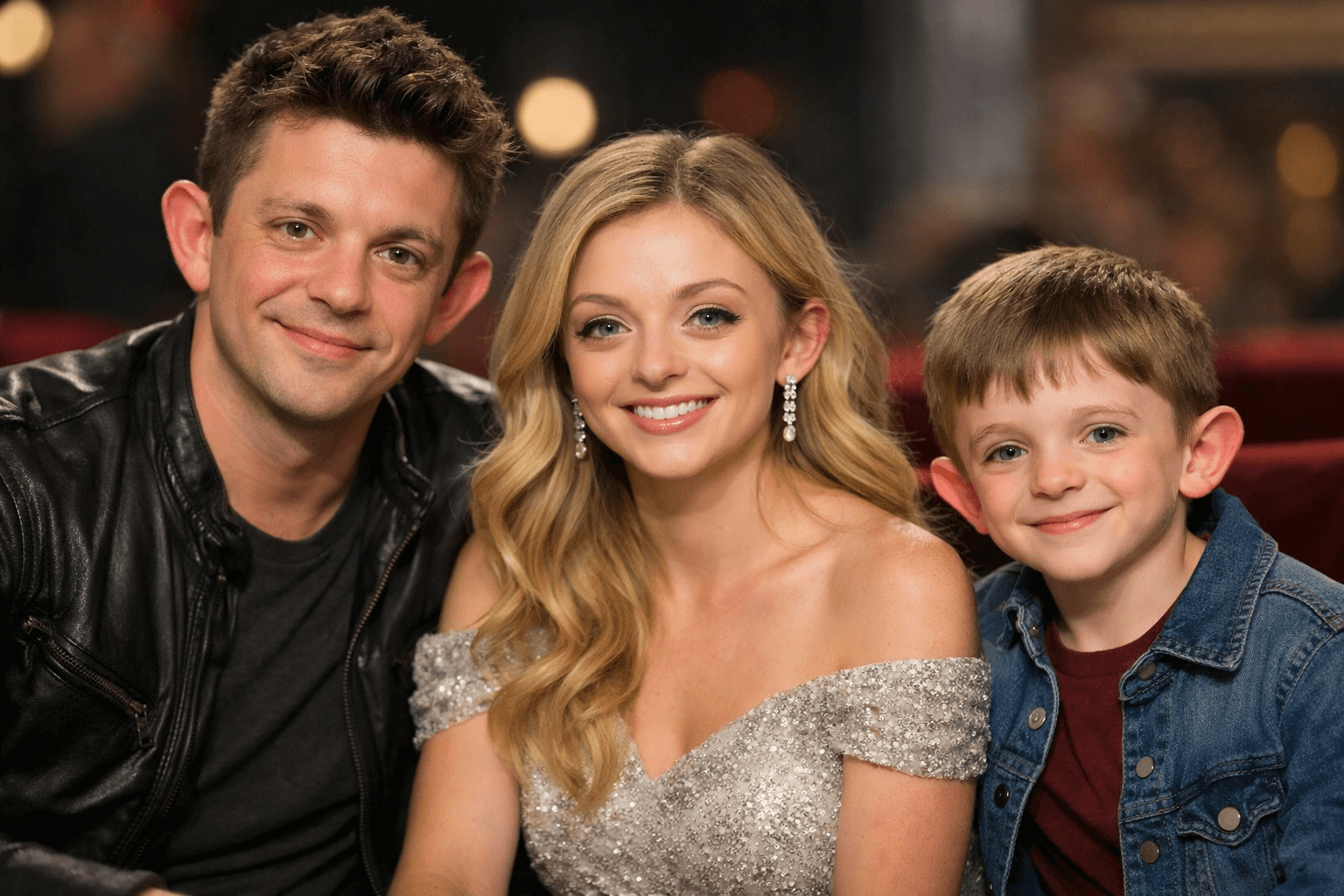
Imagine waking up every day knowing your heart may never be fully ‘normal,’ that doctors spent your childhood measuring your growth in worried silence, and that the world can see what you were born with — written plainly on your face. For those living with Noonan Syndrome, this isn’t a hypothetical. It’s real life. And yet, some of the most celebrated, decorated, and beloved people in the world share this very reality.
If you’ve recently received a Noonan Syndrome diagnosis for yourself or a loved one, or if you’re simply trying to understand what it means to live with this rare genetic condition, this article will do something most medical pages can’t: show you what’s possible. Through the remarkable stories of famous people with Noonan Syndrome, we explore how this condition shapes — and very often fuels — extraordinary achievement.
This isn’t just a list. It’s a window into courage. By the time you finish reading, you will see Noonan Syndrome not as a life sentence, but as a part of some of the world’s most powerful life stories.
What Is Noonan Syndrome? A Clear, Honest Overview
Before exploring the celebrities with Noonan Syndrome who have changed the world, it’s essential to understand the condition itself — because knowledge is the first step toward empowerment.
Noonan Syndrome (NS) is a genetic disorder that affects normal development across multiple body systems. It is caused by mutations in genes that regulate the RAS/MAPK cell signaling pathway — a biological network critical for cell growth and division. Because of this pathway’s involvement, Noonan Syndrome belongs to a family of related conditions called RASopathies, which includes Costello syndrome, cardio faciocutaneous syndrome, and others.
Noonan Syndrome occurs in approximately 1 in 1,000 to 1 in 2,500 live births worldwide, making it one of the most common genetic syndromes after Down syndrome. Mutations in the PTPN11 gene account for roughly 50% of cases, while SOS1, RAF1, and RIT1 gene mutations account for additional percentages. In 15–20% of cases, no gene mutation is identified.
Key Signs and Symptoms of Noonan Syndrome
No two people with Noonan Syndrome are alike. Symptoms range from mild to severe and may include:
- Distinctive facial features: Widely spaced eyes (hypertelorism), low-set ears rotated backward, a deep groove between nose and mouth, and a small lower jaw
- Short stature: Affecting 50–70% of individuals; often eligible for growth hormone therapy
- Congenital heart defects: Present in 50–80% of cases; pulmonary valve stenosis is the most common, followed by hypertrophic cardiomyopathy and septal defects
- Bleeding disorders: Due to coagulation factor deficiencies and platelet dysfunction; some individuals have von Willebrand disease
- Learning and developmental differences: Approximately 25% have intellectual disability; many have normal intelligence but may need speech, occupational, or educational support
- Skeletal and musculoskeletal features: Pectus excavatum/carinatum (chest deformity), scoliosis, joint hypermobility or contractures
- Lymphedema: Fluid accumulation, particularly in hands, feet, and lower legs
- Elevated cancer risk: Particularly leukemia; children with NS have an estimated eightfold increased risk compared to peers
Importantly, many individuals with Noonan Syndrome have normal intelligence and go on to lead full, rich, successful lives — as the people below powerfully demonstrate.
Is There a Cure for Noonan Syndrome?
Currently, there is no cure for Noonan Syndrome. However, treatment is highly individualized and targets specific complications. A multidisciplinary team — including cardiologists, geneticists, endocrinologists, hematologists, speech therapists, and developmental specialists — works together to manage symptoms. Growth hormone therapy has been shown to meaningfully improve final adult height, and cardiac interventions (both surgical and non-surgical) can address heart defects. With early diagnosis and comprehensive care, many people with Noonan Syndrome thrive.
Celebrities With Noonan Syndrome: Their Stories, Their Strength
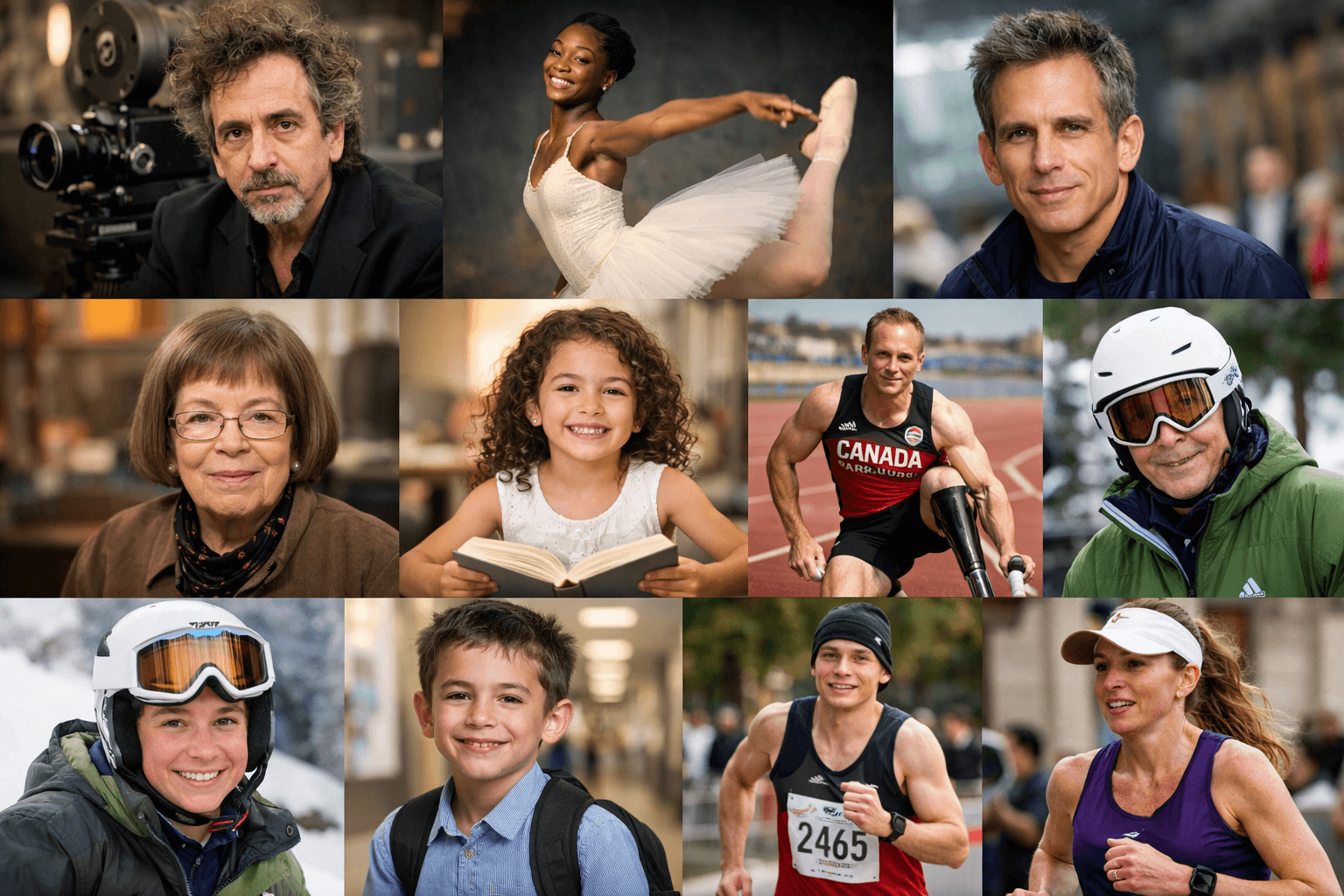
The following famous people with Noonan Syndrome represent diverse fields — film, ballet, athletics, and media. Their stories are not just about overcoming a rare genetic condition; they are about redefining what’s possible.
1. Tim Burton — Visionary Director & Filmmaker
Few names in cinema are as synonymous with creative genius as Tim Burton. The mastermind behind Edward Scissorhands, The Nightmare Before Christmas, Beetlejuice, and Batman is also one of the most publicly recognized celebrities with Noonan Syndrome.
Burton has spoken candidly about his childhood — one marked by social isolation, difficulty connecting with peers, and bullying triggered by his distinctive physical appearance. These struggles are common experiences for individuals living with Noonan Syndrome, where facial features and short stature can make childhood particularly challenging.
Rather than retreating inward, Burton turned to drawing and art as his escape. Those early sketches became the building blocks of one of Hollywood’s most singular creative careers. His neurodivergent perspective — shaped in no small part by a childhood of being ‘different’ — became his greatest professional asset. Today, Tim Burton’s work is celebrated in museums worldwide and has grossed billions at the global box office.
“His story is proof that what makes you an outsider can be the very thing that makes you extraordinary.”
Key Takeaway: Tim Burton’s experience with Noonan Syndrome and its social consequences didn’t limit his creativity — it ignited it. His career stands as one of the most compelling testaments to resilience in entertainment history.
2. Michaela DePrince — World-Renowned Ballet Dancer
Michaela DePrince’s story begins in Sierra Leone, where she was orphaned as a young child and adopted at age four. Shortly after adoption, she was diagnosed with Noonan Syndrome — a diagnosis that many feared would limit her physical development and aspirations.
They were wrong. Against extraordinary odds, DePrince rose to become a principal soloist with the Dutch National Ballet — one of the most prestigious ballet companies in the world. She has been featured in major documentaries, magazine covers, and global campaigns, and danced for international audiences who knew little of the genetic condition she carries.
DePrince’s journey as a famous person with Noonan Syndrome also intersects with racial discrimination, international adoption, and disability advocacy. She has faced skepticism about whether her body — affected by a syndrome that influences physical development — could ever achieve the precision demanded by professional ballet. She answered every doubt on stage.
“Michaela DePrince didn’t just dance. She soared — on pointe, on her own terms, and on behalf of everyone told they couldn’t.”
3. Ben Stiller — Actor, Comedian, Director
Ben Stiller — the comedic force behind Zoolander, Meet the Parents, There’s Something About Mary, and Night at the Museum — has been open about his Noonan Syndrome diagnosis, which was identified when he was 14 years old.
Stiller faced heart surgeries and significant learning challenges associated with the condition. Noonan Syndrome’s impact on academic development can be profound, and Stiller navigated these difficulties while simultaneously pursuing a passion for performance. He has since built a career as one of Hollywood’s most versatile talents — actor, writer, director, and producer — with a net worth reported in the hundreds of millions.
Importantly, Stiller has also become a prominent health advocate, using his public platform to raise awareness about early detection of conditions like prostate cancer — demonstrating the broader advocacy mindset that often characterizes Noonan Syndrome celebrities who understand from experience the value of medical awareness.
4. Linda Hunt — Academy Award-Winning Actress
Linda Hunt is one of Hollywood’s most decorated and admired performers. An Academy Award winner and long-running star of the hit television series NCIS: Los Angeles, Hunt stands as a towering figure in American entertainment — despite, or perhaps precisely because of, the physical differences associated with Noonan Syndrome.
Standing at just 4 feet 9 inches, Hunt has navigated an industry that frequently prizes conventional appearance. She has won more than 13 prestigious awards throughout her career, breaking barriers not only for people with Noonan Syndrome but for all individuals who don’t fit Hollywood’s traditional mold. Her longevity in the industry — spanning decades — speaks to a talent that transcends any physical narrative.
“Linda Hunt’s career is a masterclass in proving that presence — real, magnetic, undeniable presence — has nothing to do with physical stature.”
5. Lila Santilli — Young Advocate & Author’s Muse
Not every famous person with Noonan Syndrome is a global celebrity in the traditional sense. Lila Santilli, diagnosed with Noonan Syndrome at six weeks of age, became the subject of an inspiring children’s book — “Lila Lu and the Things I Love to Do“ — written by her mother, Laura Santilli. The book celebrates Lila’s vibrant spirit and energy despite requiring speech therapy, physical therapy, and ongoing medical monitoring.
Lila’s story matters in a different but equally important way: it puts a human face on early childhood Noonan Syndrome and reminds families that a diagnosis at birth or in infancy is not the end of a story. It is, as Laura Santilli has emphasized repeatedly, simply a part of who Lila is — not the definition of her.
6. Earle Connor — Paralympic Sprinter
Canadian Paralympic athlete Earle Connor has made headlines not by hiding Noonan Syndrome, but by sprinting past its perceived limitations — literally. A para-athlete of extraordinary discipline, Connor has used competitive sports to demonstrate that individuals with Noonan Syndrome can achieve peak physical performance with the right support systems, determination, and coaching.
Connor’s visibility in Paralympic athletics has brought Noonan Syndrome awareness to sports audiences who might otherwise never encounter the condition. His career is a reminder that Noonan Syndrome and athleticism are not mutually exclusive — and that the human body, even under the influence of a genetic condition, is capable of astonishing things.
7. Yorke Parkin — Special Olympics Skier
Yorke Parkin is a teenage skier from Revelstoke, Canada, whose enthusiasm for the slopes has made him a standout at the Special Olympics. Diagnosed with Noonan Syndrome, Yorke has faced the full complexity of the condition — the medical appointments, the therapies, the social challenges — and still chooses to race down mountains at speed.
His story embodies the true spirit of the Special Olympics movement: celebrating individual achievement and the power of community support over medical labels. Yorke Parkin doesn’t define himself by his syndrome. He defines himself by the mountain he conquers.
8. Benjamin Cipriano — Student, Heart Survivor, and Role Model
Benjamin Cipriano is a teenager with Noonan Syndrome whose academic achievements are even more remarkable given what he has endured medically. After experiencing four cardiac arrests and subsequent heart surgery, Benjamin returned to school and maintained straight-A grades — a feat that would be impressive for anyone, and extraordinary for a young person navigating a complex medical history.
His story powerfully counters the misconception that Noonan Syndrome necessarily limits intellectual achievement. Benjamin uses humor and positivity to address the social judgment he sometimes faces regarding his appearance — a coping approach that reflects a maturity well beyond his years.
9. Lizzie Armour — Marathon Runner
Lizzie Armour, in her mid-40s and living with Noonan Syndrome since birth, has faced early and ongoing health challenges that would stop many people in their tracks. Her response? She runs marathons.
Lizzie’s athletic pursuit is backed by decades of parental support from her family. Her story demonstrates that Noonan Syndrome in adults is a lifelong journey — not just a childhood condition — and that the resilience required to navigate it doesn’t diminish with age. It grows.
Why Celebrity Visibility Matters for Noonan Syndrome Awareness
When a famous person with Noonan Syndrome speaks openly about their diagnosis, something profound happens: the condition stops being invisible. Rare genetic disorders often suffer from a dangerous obscurity — misdiagnosis, delayed treatment, and social stigma all compound the medical challenges.
Celebrity advocacy changes this in measurable ways. Research consistently shows that public figures discussing rare conditions increase diagnostic rates, improve funding for research, and reduce stigma for families already living with those conditions. When Tim Burton talks about childhood bullying connected to his Noonan Syndrome features, parents of children with the syndrome hear that story and recognize their child — and perhaps find comfort in the director’s ultimate success.
“Visibility is medicine. When the world sees someone thriving with Noonan Syndrome, it recalibrates what ‘living with Noonan Syndrome’ means.”
The Noonan Syndrome Support Group (teamnoonan.org) and the Noonan Syndrome Foundation (noonansyndrome.org) have documented how public awareness moments — often catalyzed by celebrity stories — drive increases in support group membership, genetic testing inquiries, and donations for pediatric research.
Noonan Syndrome vs. Turner Syndrome: An Important Distinction
Online content about celebrities with Noonan Syndrome frequently conflates this condition with Turner Syndrome — a separate genetic condition affecting females. This confusion matters and deserves direct clarification.
Turner Syndrome results from a missing or partially missing X chromosome and affects only females. Noonan Syndrome, by contrast, affects both males and females equally and is caused by mutations in genes associated with the RAS/MAPK signaling pathway. While both conditions can involve short stature and heart defects, they are genetically, chromosomally, and clinically distinct.
Some celebrities often cited as having Noonan Syndrome — including Kacey Montoya, Natalie Gulbis, and Linda Hunt — have actually been linked in various sources to Turner Syndrome or Turner phenotype. For accuracy and integrity (especially important for families seeking reliable information), readers should be aware of this distinction. If in doubt about a specific celebrity’s diagnosis, genetic counseling and verified medical reporting should be the authority.
The overlap historically existed because Noonan Syndrome was initially described as ‘Male Turner Syndrome’ before its distinct genetic etiology was established in the 1960s by Dr. Jacqueline Noonan.
Noonan Syndrome Diagnosis: What Families Should Know
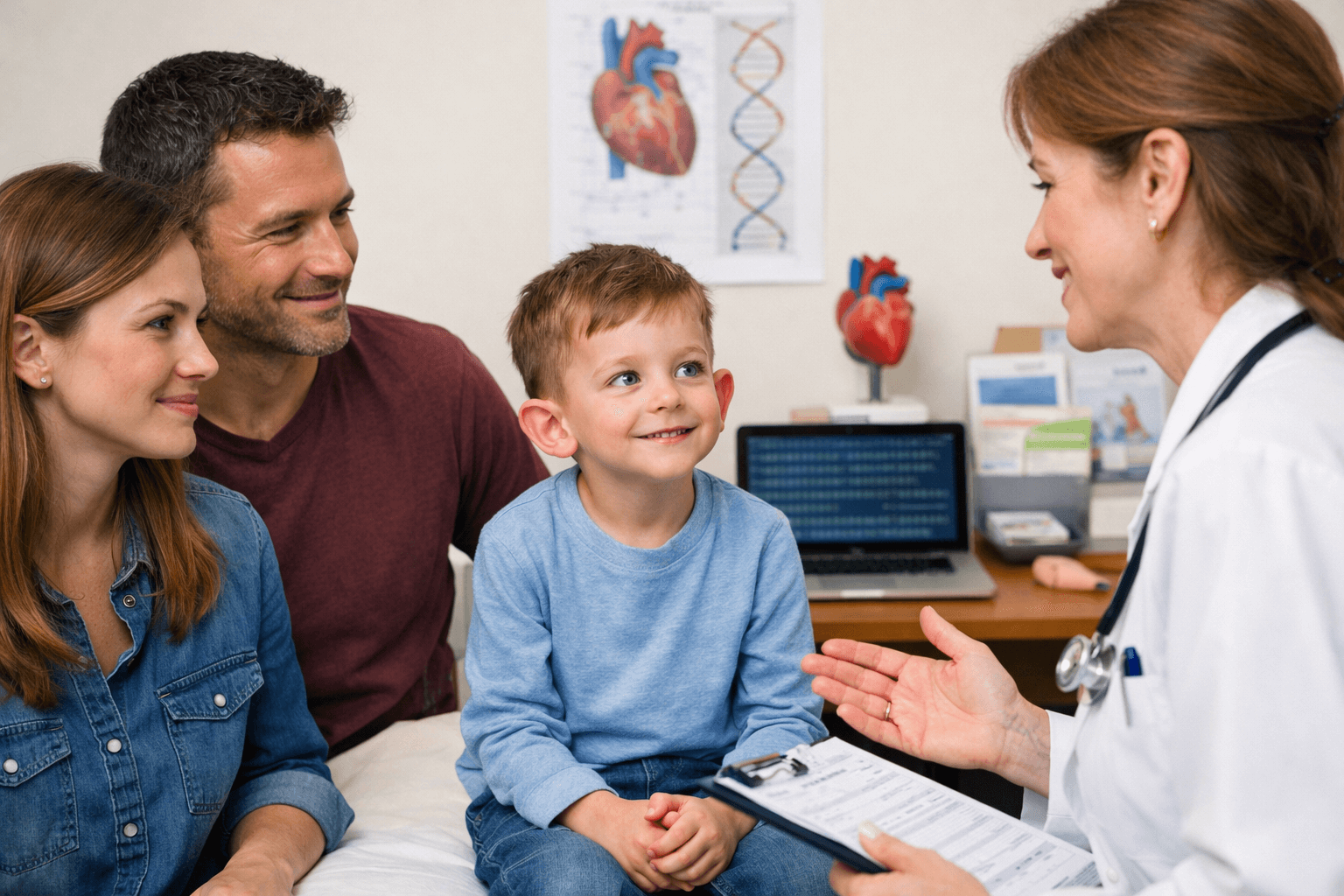
If you suspect a child or adult may have Noonan Syndrome, the path to diagnosis typically involves a detailed clinical evaluation by a geneticist — assessing facial features, growth, cardiac structure, and family history — followed by molecular genetic testing. However, a genetic mutation is not identified in all cases; approximately 30–40% of diagnoses are made on clinical features alone.
Early diagnosis is life-changing. For infants, it allows early cardiac monitoring and intervention. For toddlers, it enables speech, occupational, and physical therapy before developmental windows close. For older children and adults, it contextualizes a lifetime of experiences and opens doors to targeted support — including growth hormone therapy for eligible patients.
Trusted Resources for Families
- Noonan Syndrome Support Group: Org — the foremost U.S.-based support network
- Cincinnati Children’s Cardiovascular Genetics Clinic: A specialized center for RASopathies including Noonan Syndrome
- NORD (National Organization for Rare Disorders): Org — comprehensive medical overviews
- MedlinePlus / NIH Genetics: Authoritative genetic information including gene-by-gene breakdown
- Noonan Syndrome Foundation: Org — research funding and family resources
Frequently Asked Questions About Noonan Syndrome
What famous people have Noonan Syndrome?
Among the most consistently cited famous people with Noonan Syndrome are filmmaker Tim Burton and ballet dancer Michaela DePrince. Ben Stiller has also discussed his diagnosis publicly. Other well-known individuals, including young advocates and athletes like Earle Connor and Yorke Parkin, have shared their Noonan Syndrome journeys in public forums.
Can someone with Noonan Syndrome live a normal life?
Yes — and the celebrities with Noonan Syndrome on this list are living proof. With appropriate medical management, early intervention, and support systems, many individuals with Noonan Syndrome lead full, successful, and deeply meaningful lives. Life expectancy primarily depends on the severity of cardiac involvement.
Is Noonan Syndrome a form of autism?
No. Noonan Syndrome is a genetic disorder caused by mutations in the RAS/MAPK pathway — it is not autism, though some individuals with Noonan Syndrome may have social communication differences and some research has explored potential overlaps. They are distinct conditions with distinct genetic and clinical profiles.
How is Noonan Syndrome diagnosed?
Diagnosis involves clinical assessment of symptoms (facial features, heart function, growth, bleeding history) combined with molecular genetic testing where possible. Because symptoms vary widely, Noonan Syndrome is sometimes diagnosed late in childhood or even adulthood — particularly in individuals with mild presentations.
What is the difference between Noonan Syndrome and LEOPARD Syndrome?
LEOPARD Syndrome (also called Noonan Syndrome with multiple lentigines) is a closely related RASopathy, sometimes historically referred to under the Noonan Syndrome umbrella. It involves multiple dark skin spots (lentigines), cardiac abnormalities, and other features overlapping with classic Noonan Syndrome. Modern genetics now classifies them as separate but closely related conditions.
Conclusion
The celebrities with Noonan Syndrome profiled in this article share something beyond their diagnosis: an unyielding refusal to let a genetic condition write the final word of their story. Tim Burton’s films have terrified and delighted billions. Michaela DePrince has danced on the world’s greatest stages. Ben Stiller has made the world laugh through surgery scars and learning differences. Earle Connor has crossed finish lines. Lizzie Armour has run marathons.
If you are a parent reading this after your child’s diagnosis, a patient trying to understand your own genetics, or simply someone drawn to these stories of human resilience — let this be your anchor: Noonan Syndrome is part of a story, not the end of one.
The science of Noonan Syndrome treatment continues to evolve. Genetic research, precision medicine, growth hormone therapy, and cardiac care are all advancing. But the most powerful medicine that exists today for families navigating this condition may well be seeing themselves in the people above — and believing, because the evidence demands it, that greatness and Noonan Syndrome are not opposites.
“A diagnosis tells you what gene changed. It cannot tell you what you will become.”
